Cute January: The Handwritten Font for Crafters
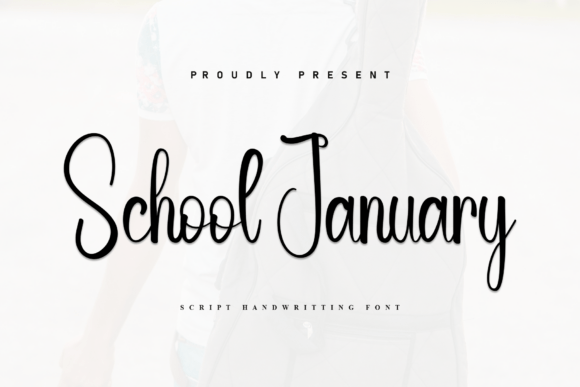
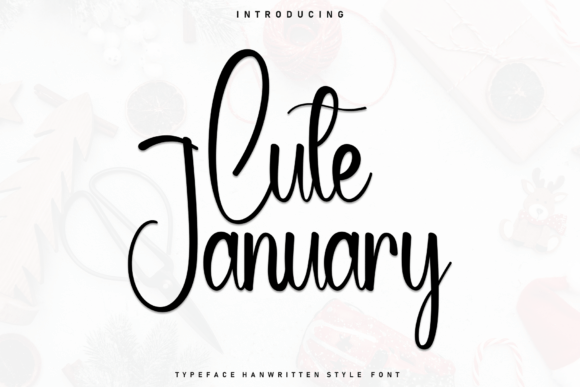
As a maker who spends hours perfecting the curve of a vinyl cut or adjusting the kerning on a printable invitation, I know that typography is not just an afterthought. It is the voice of your brand. When you are creating physical products, from hand-poured candles to custom wedding stationery, the typeface you choose communicates quality before the customer even touches the item. This is why Cute January has become a staple in my design toolkit. It is more than just a collection of letters; it is a charming handwritten font filled with a sense of heartfelt perfection that resonates with the warmth of handmade goods.
Why Organic Lines Matter in Product Design
In the world of Script Amp and premium Fonts, there is often a struggle between style and legibility. Many script fonts look beautiful in a mockup but fail when applied to a small product label or cut from thin vinyl. Cute January solves this by balancing smooth strokes with organic lines that evoke a relaxed atmosphere. For crafters, this means the font feels human and approachable, which is exactly the vibe we want to convey in our shops.
When I use this typeface for my boutique tags, the irregularities in the stroke width do not look like errors; they look like care. This visual personality is crucial for building brand identity. Customers who buy handmade items are looking for a connection. A sterile, computer-generated font can feel cold, but a handwritten font like Cute January bridges the gap between digital design and physical craftsmanship. It suggests that a real person made the item, reinforcing the value of your work.
Practical Applications for Handmade Sellers
The versatility of Cute January makes it suitable for a wide array of projects. Here is how I integrate it into my workflow for maximum impact:
- Product Labels and Packaging: Whether you are selling soy wax candles, artisanal soaps, or homemade jams, the label is your primary sales tool. Cute January works exceptionally well for product names and short descriptors. Its clarity ensures that even at smaller sizes, the text remains readable, which is vital for compliance and customer experience.
- Wedding and Event Stationery: For invitation designers, this font is a dream. It pairs beautifully with formal details. I often use it for the couple’s names on save-the-dates or welcome boards. The heartfelt perfection of the script adds a romantic, personalized touch that rigid serif fonts cannot match.
- Digital Printables and Planner Pages: If you create digital downloads, such as habit trackers or wall art, this font adds a layer of sophistication. It transforms a simple checklist into a decorative piece of art that customers want to display in their homes.
- Apparel and Tote Bags: When using heat transfer vinyl or sublimation, clean lines are essential. Cute January maintains its integrity when cut, making it ideal for t-shirts, tote bags, and baby onesies. The smooth strokes prevent weeding nightmares, saving you time during production.
Readability and Technical Considerations
While Cute January is undeniably attractive, practical application requires attention to detail. As a creator, you must consider where the text will live. For long paragraphs, a handwritten font is rarely the best choice. Instead, reserve Cute January for titles, names, short phrases, and decorative wording. This display font shines when given space to breathe.
For those using cutting machines like Cricut or Silhouette, always test your cut settings. The organic lines mean there are varying thicknesses in the strokes. Ensure your material can handle the thinnest parts of the letters without tearing. For printed items, such as stickers or business cards, check the contrast. Dark ink on light paper works best to highlight the fluidity of the script. If you are designing for social media graphics or web design, ensure the font size is large enough to be read on mobile screens, where intricate details can sometimes blur.
Creating Cohesion Through Font Pairing
A single font rarely carries a whole design. To create a professional look, you need effective font pairing. Cute January is a creative font that pairs effortlessly with clean, modern typography. Here are some combinations that work well for brand consistency:
- With a Sans Serif Font: Pairing this script with a simple sans serif font creates a modern, minimalist look. Use the sans serif for body text and informational details, while letting Cute January handle the headlines. This contrast improves readability and highlights the charm of the script.
- With a Bold Display Font: For holiday product packaging or sale signs, combine Cute January with a bold, all-caps display font. The weight of the bold font grounds the airy nature of the handwritten script, creating a balanced and eye-catching composition.
- With a Classic Serif Font: For wedding invitations or high-end boutique branding, a traditional serif font adds elegance. The juxtaposition of the structured serif and the free-flowing script creates a timeless aesthetic that appeals to a sophisticated audience.
Maximizing the Asset Features
Before you start designing, explore what Cute January offers beyond the basic alphabet. Many premium fonts in the Script Amp category include alternates, ligatures, and swashes. These features allow you to customize the look of your text, preventing repetitive patterns in longer words. Check if the font includes multilingual support if you plan to sell internationally. Understanding the file formats provided—such as OTF, TTF, or web fonts—ensures you can use the asset across different platforms, from Adobe Illustrator to Canva.
For logo design, consider using a unique ligature or swash to create a distinctive mark. This helps with customer recognition and sets your brand apart from competitors who might use the same base font in a standard way.
Licensing and Commercial Use
Finally, always respect intellectual property. When you purchase Cute January, review the license agreement carefully. Most commercial fonts allow you to use them for physical products, such as mugs, shirts, and printed cards, as well as for client work. However, rules regarding digital templates, SVG designs for resale, or web embedding can vary. Ensuring you have the correct commercial font license protects your business and supports the type designers who create these essential design assets. By using fonts ethically, you contribute to a sustainable creative ecosystem that continues to provide high-quality tools for makers everywhere.
Incorporating Cute January into your projects is not just about aesthetics; it is about enhancing the perceived value of your handmade goods. It brings a sense of warmth and professionalism that customers appreciate, helping your products stand out in a crowded marketplace.